Red Light Therapy: A Gentle Support for Your Fertility
The role of red light therapy is to support your body at a cellular level, improving circulation, energy, and overall reproductive health.
When you’re trying to conceive, it’s rarely just about one thing. Supporting your body’s energy, circulation, and overall cellular health can play an important role.
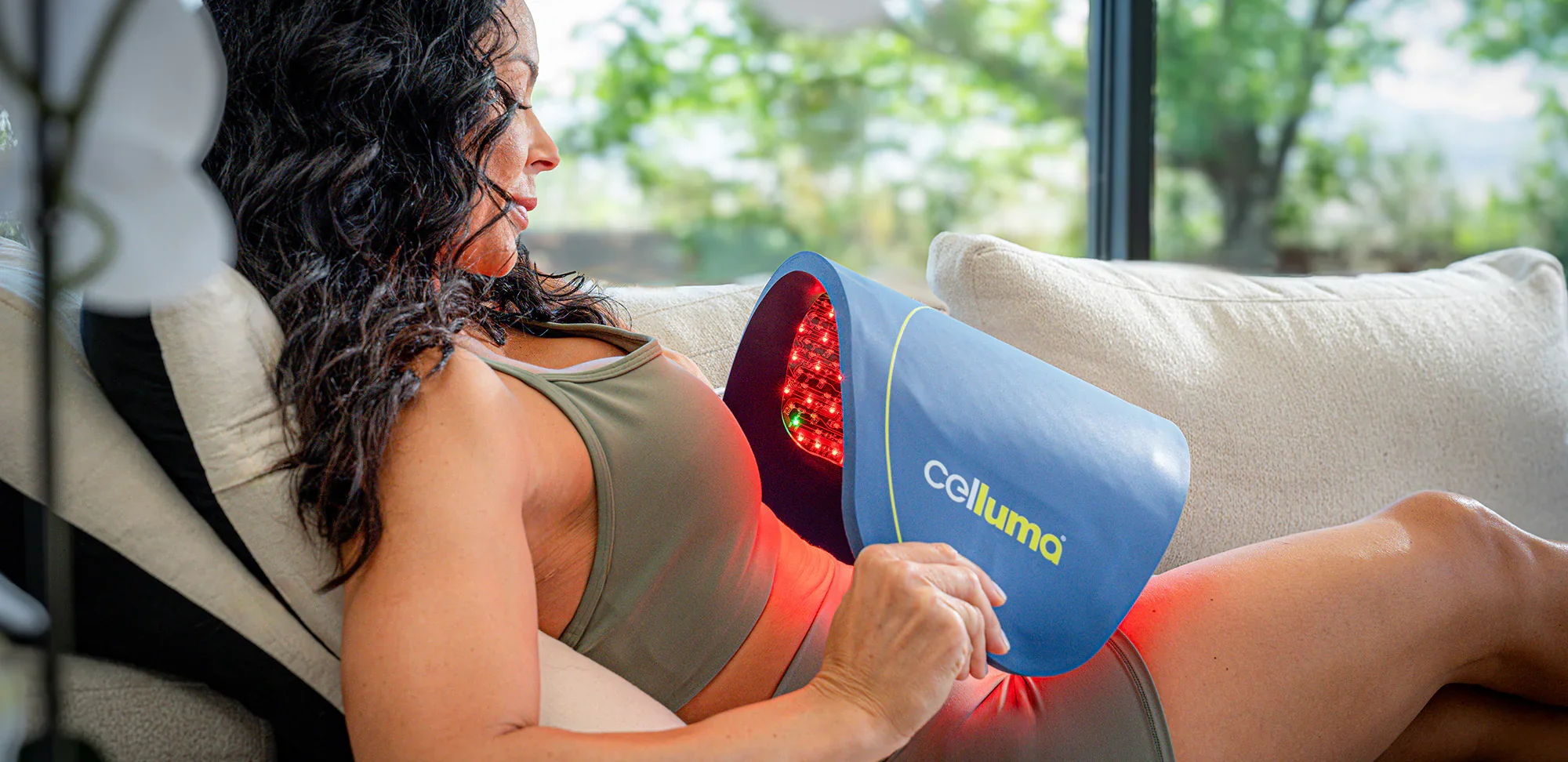
Red light and low-level laser therapy are gentle, non-invasive treatments that are increasingly being used to support you on your fertility journey.
So, what is red light and laser therapy?
Red light and low-level laser therapy use specific wavelengths of red and near-infrared light to support the body at a cellular level.
The most commonly used therapeutic wavelengths are:
Red light: around 630–660 nanometres (nm)
Near-infrared light: around 810–880 nanometres (nm)
These wavelengths are important because they are absorbed by the mitochondria — the part of the cell that produces energy. There’s no heat, no pain, and no downtime. Most people find the sessions very relaxing.
Why does cellular energy matter for fertility?
Eggs, sperm, hormones, and the uterus all need a lot of energy to function well. Eggs in particular are some of the most energy-dependent cells in the body.
When cells are under stress — from age, inflammation, illness, or long-term stress — they don’t always work as efficiently. Supporting mitochondrial health is one reason red light therapy is gaining interest as a supportive option for fertility.
Red Light vs Near-Infrared Light: What’s the Difference?
Not all light works the same way in the body. The wavelength of the light determines how deep it can travel and which tissues it can influence.
Red Light (630–660 nm)
Red light is visible to the eye and works best on surface and shallow tissues. The Red Light face mask fall within this category.
What red light supports:
Circulation closer to the skin
Cellular energy in superficial tissues
Calming inflammation near the surface
Depth of penetration:
Red light generally penetrates a few millimetres to around 1–2 centimetres into the body. This makes it useful for skin, shallow muscle, and tissues closer to the surface.
Near-Infrared Light (810–880 nm)
Near-infrared (often called NIR) light is invisible to the eye but travels much deeper into the body.
What near-infrared light supports:
Deeper tissues and organs
Blood flow at a deeper level
Mitochondrial function in organs
Deeper muscle and connective tissue
Depth of penetration:
Near-infrared light can penetrate several centimetres into the body, depending on the device and the individual. This allows it to reach deeper pelvic tissues, including areas near the uterus and ovaries.
This deeper penetration is why near-infrared light is especially relevant when red light therapy is used for fertility support.
Why depth matters for fertility
Reproductive organs sit deep within the pelvis, not close to the surface of the skin. To influence circulation, cellular energy, and tissue health in these organs, light needs to reach beyond the skin and surface tissue layers.
This is why many fertility-focused protocols use:
Red light to support surface circulation and tissue health
Near-infrared light to reach deeper reproductive tissues
Together, they create a layered effect, supporting both shallow and deep tissues.
How can red light therapy help fertility?
Supports healthy blood flow
Improved circulation helps deliver oxygen and nutrients to the uterus and ovaries, supporting egg development and a healthy uterine lining.Supports egg and sperm quality
By supporting mitochondrial energy production, red light therapy may help improve egg quality and sperm motility, especially when age or stress are factors.Helps reduce inflammation and oxidative stress
Ongoing inflammation can affect fertility. Red light therapy supports cellular repair and helps create a healthier internal environment.Supports hormone balance and relaxation
Many people feel calmer after treatment. A more relaxed nervous system supports healthier hormone signalling and regular cycles.
What does the research say?
Research, including studies from Japan, has explored low-level laser therapy as a support for fertility, particularly alongside IVF. Some studies found improved pregnancy rates, especially in women who had been trying to conceive for a long time.
Researchers believe the benefits may come from improved blood flow, increased cellular energy, and better tissue function. While more research is still ongoing, these findings are encouraging.
Frequently Asked Questions
Is red light therapy safe?
When used correctly, red light and low-level laser therapy are generally considered safe, non-invasive, and drug-free. They do not heat tissue or cause damage and are widely used in many areas of health care.
Can I use red light therapy during IVF?
Red light therapy has been used alongside IVF in clinical studies, with no evidence of harm when applied appropriately.
Timing and application matter, so it should always be coordinated with your fertility care team to ensure it fits safely into your treatment plan.
Does red light therapy guarantee pregnancy?
No. Red light therapy does not guarantee pregnancy and does not force the body to conceive. Its role is to support the body’s natural processes and help create better conditions for conception.
Does it hurt?
Not at all. Treatments are painless and gentle
How many sessions do I need?
This varies from person to person. Some people use it short-term, while others benefit from regular sessions over a longer period, depending on their goals and overall health.
Can I use red light therapy if I’m trying naturally?
Yes. Red light therapy can be used whether you’re trying naturally or alongside assisted fertility treatments, as long as it’s appropriate for your individual situation.
At Yin Acupuncture near infra light therapy together with Low level laser therapy are offered as a complimentary services during an acupuncture session for fertility where appropriate.